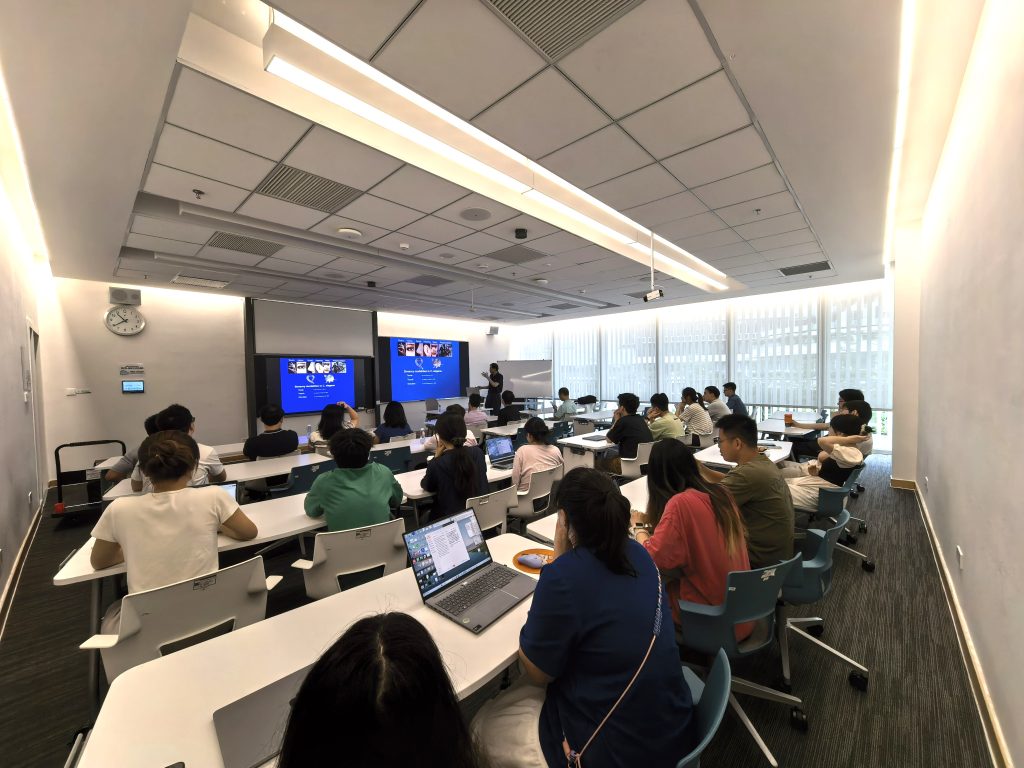
Brain and Intelligence Seminar NO.41

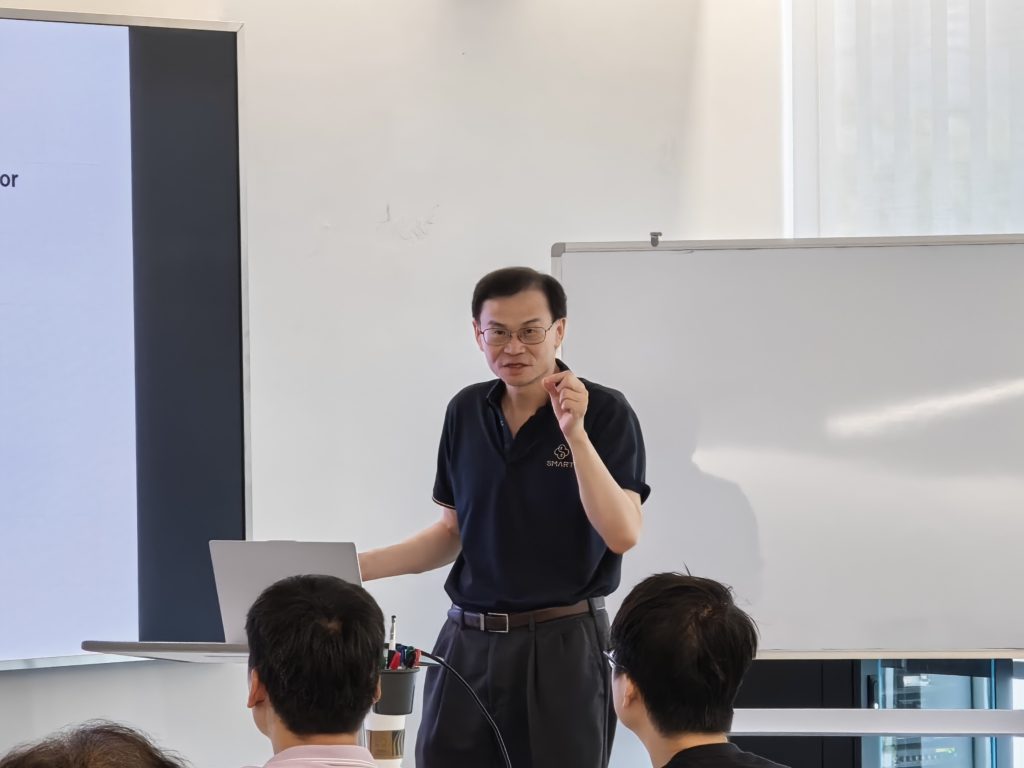
On July 8, the Brain and Intelligence Seminar NO.41 was successfully held. This session featured Prof. Shawn Xu, a senior Principal Investigator at Shenzhen Medical Academy of Research and Translation (SMART), who delivered a talk entitled “How do we sense the world? Lessons from worms to mice”.
Prof. Xu’s laboratory is dedicated to sensory biology, employing C. elegans and mouse models to investigate how animals perceive both the external environment (exteroception) and their internal physiological states (interoception). Having evolved a diverse array of sensory systems to adapt to changing surroundings, C. elegans serves as an ideal genetic platform for discovering and characterizing novel sensory receptors and signaling pathways. Given the evolutionary conservation of many of these receptors, the lab also uses mouse models to explore their roles in mammalian somatosensation and pain. To tackle these questions, the team adopts an interdisciplinary approach that integrates molecular genetics, functional imaging, electrophysiology, biochemistry, and pharmacology.
During the talk, Prof. Xu presented several novel sensory receptors identified by his group, including the photoreceptor LITE-1, the cold receptor GLR-3 and its mammalian counterpart GluK2. He further elaborated on how animals detect temperature and osmotic stimuli through these newly discovered receptors, and how such sensory signals modulate brain function, shape behavioral outputs, and regulate physiological processes such as aging and longevity. These findings not only deepen our fundamental understanding of sensory biology but also open new avenues for deciphering the mechanisms and developing targeted interventions for sensory-related disorders, including chronic pain and neurodegenerative diseases.