Brain and Intelligence Lunch Seminar

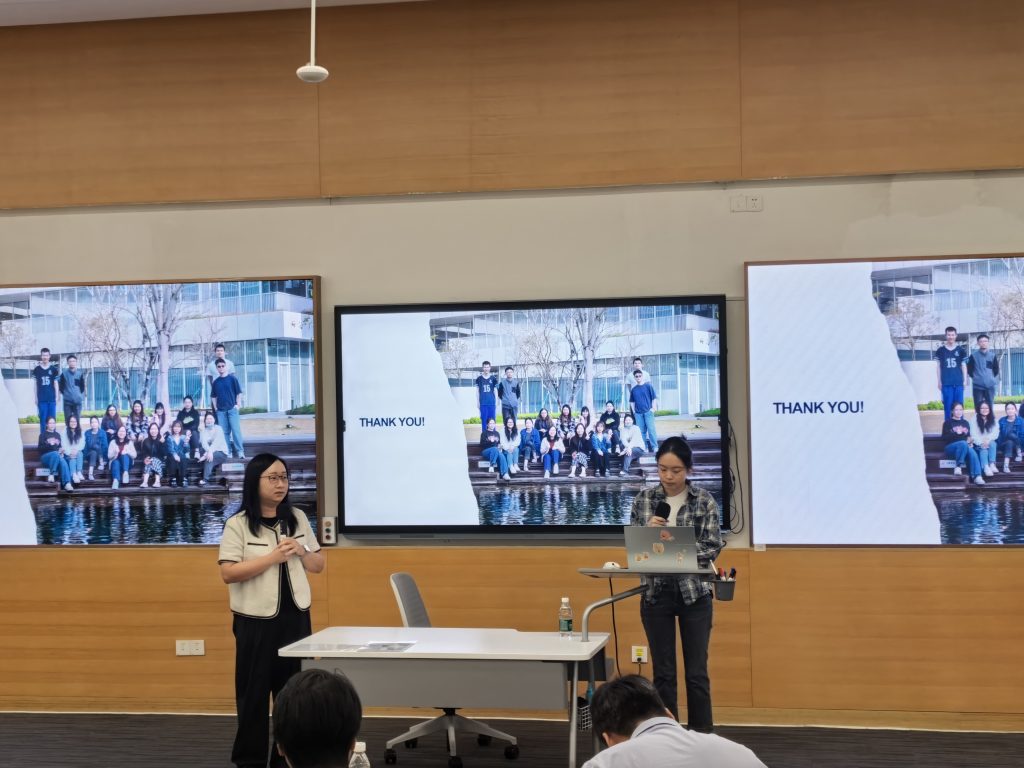
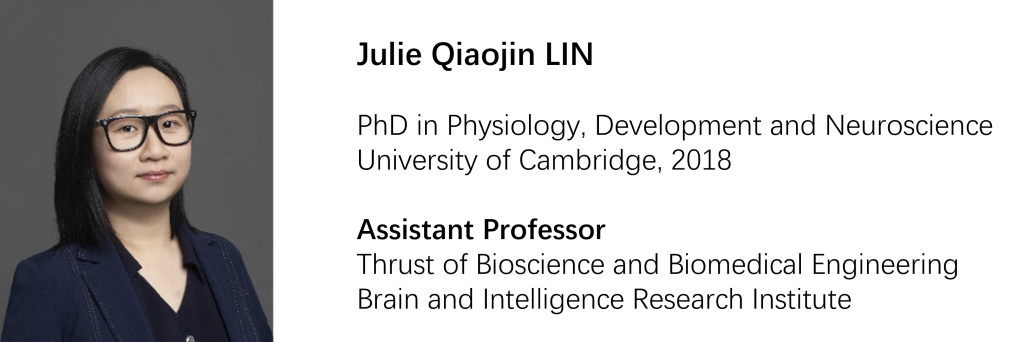
On October 28, to further inspire students' enthusiasm for scientific research and enhance their academic communication skills, the Brain and Intelligence Research Institute launched a student-led seminar series. In this session, Phd student Xuanxuan TANG, from the research team of Assistant Professor Qiaojin LIN, served as the speaker. She presented her research titled “Hypoxic remodeling of ribosome and its associated mRNA landscape in human iPSCs,” attracting approximately 50 faculty members and students.
The presentation explored how cells regulate protein synthesis in low-oxygen environments. Tang introduced the background of research on ribosomes and their associated messenger RNAs (mRNAs). Using human induced pluripotent stem cells as a model, she outlined approaches to studying ribosome composition and RNA association. The talk discussed scientific questions and research methods for understanding translational regulation during cellular responses to environmental changes. The findings are preliminary as this research is still ongoing, the underlying mechanisms and conclusions await further validation.
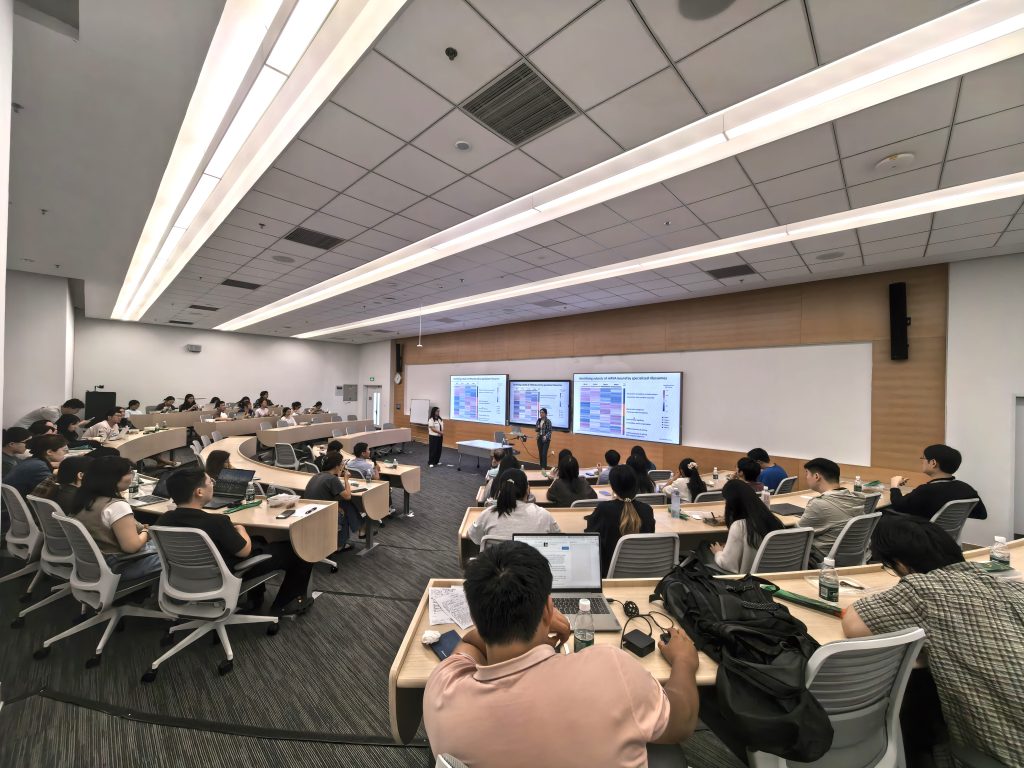
The Brain and Intelligence Lunch Seminar aims to promote subject integration and in-depth exchanges in the fields of brain science and artificial intelligence and create a relaxed and open academic exchange atmosphere for teachers and students to jointly discuss the cutting-edge scientific trends of brain and intelligence. We look forward to more experts, scholars and young talents joining us to jointly promote the prosperity and development of frontier fields related to brain and intelligence.

About Lab
Our research group focuses on RNA metabolism in the nervous system, aiming to elucidate how these processes finely regulate advanced neural activities such as neuronal differentiation, synaptic plasticity, learning, and memory, as well as neurodegenerative diseases, mental disorders, and other pathological conditions. Through high-throughput sequencing, CRISPR gene editing, stem cell neuron models, and other advanced techniques, we deeply explore the potential connections between RNA metabolism networks and neurological diseases, providing theoretical basis and new targets for early diagnosis and precision treatment of diseases. The team currently consists of 6 doctoral students and 3 master’s students from various backgrounds in biology, medicine, biochemistry, and molecular biology, and we look forward to collaborating with more like-minded partners in the future!